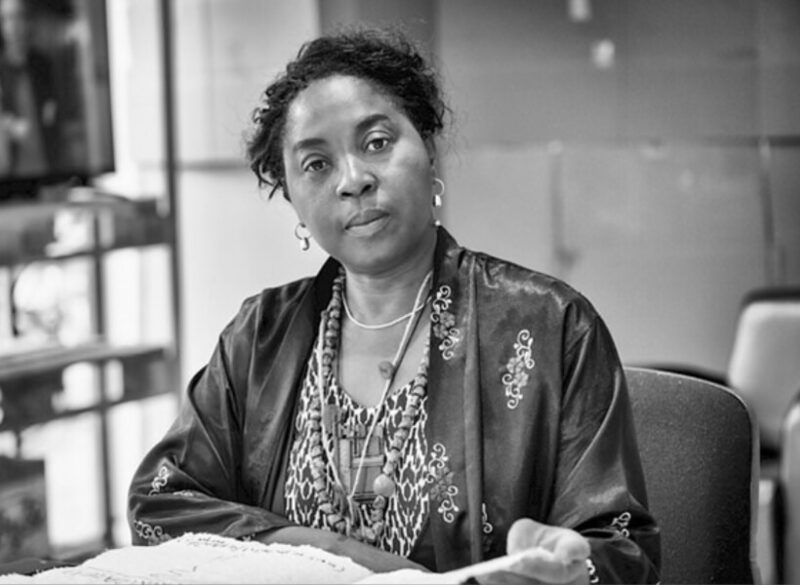
Pélagie Gbaguidi was born in 1965 in Dakar (Senegal) into a family with roots in Benin. She lived in France before studying art in Liège (Belgium). She now lives and works in Brussels but spends long periods in Africa. The artist has shown her work in an international context since her first participation in the Dakar Biennale in 2004. She had a widely noted presence at documenta 14 in Kassel and Athens in 2017, at the invitation of Adam Szymczyk and his team. She showed a room-filling installation titled The Missing Link. Decolonisation Education by Mrs Smiling Stone (2017), consisting of sculptures, photographs and drawings of falling bodies on long paper strips hanging from the ceiling. On old school desks lay excerpts from the Code noir (the eighteenth-century French law that established slavery in the colonies), black-and-white photographs documenting student uprisings in South Africa, and used notebooks that Gbaguidi had schoolchildren in Kassel work on during documenta. In these school workshops she addressed the collective forgetting of the colonial past and the resulting prejudices that still exist today. Passing on hidden or repressed knowledge is meant to counter collective amnesia. Gbaguidi questions education as a hierarchical principle full of blind spots. Her voice is heard on small video screens in the installation.
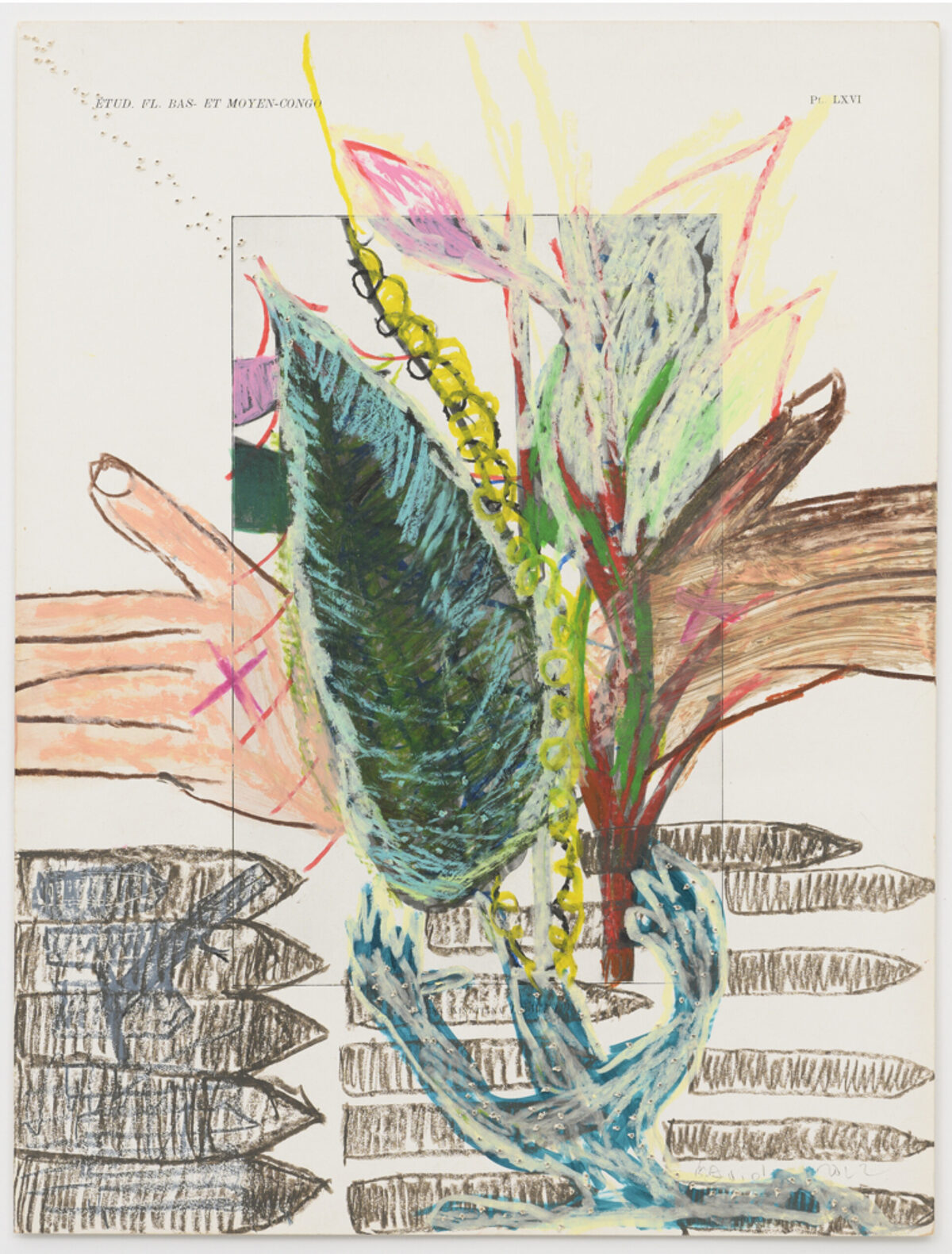
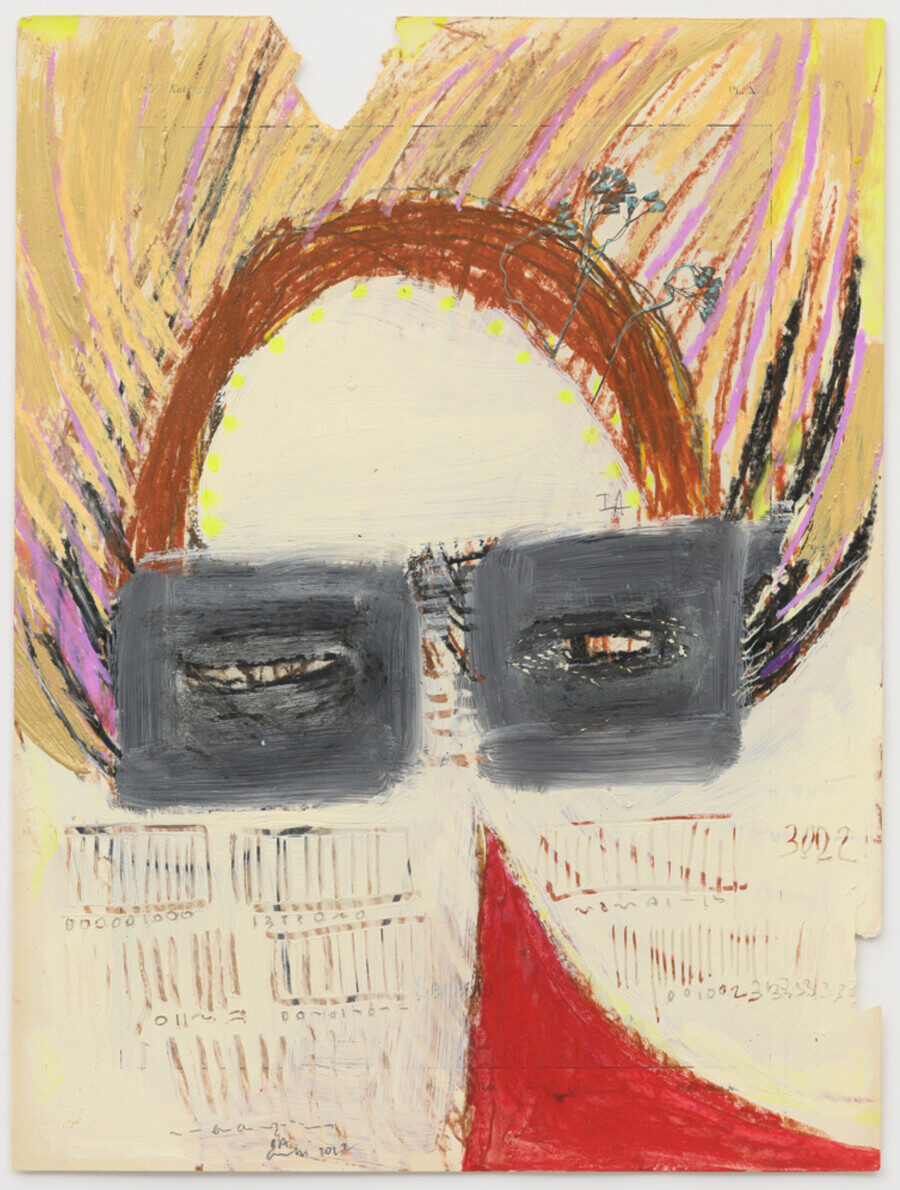
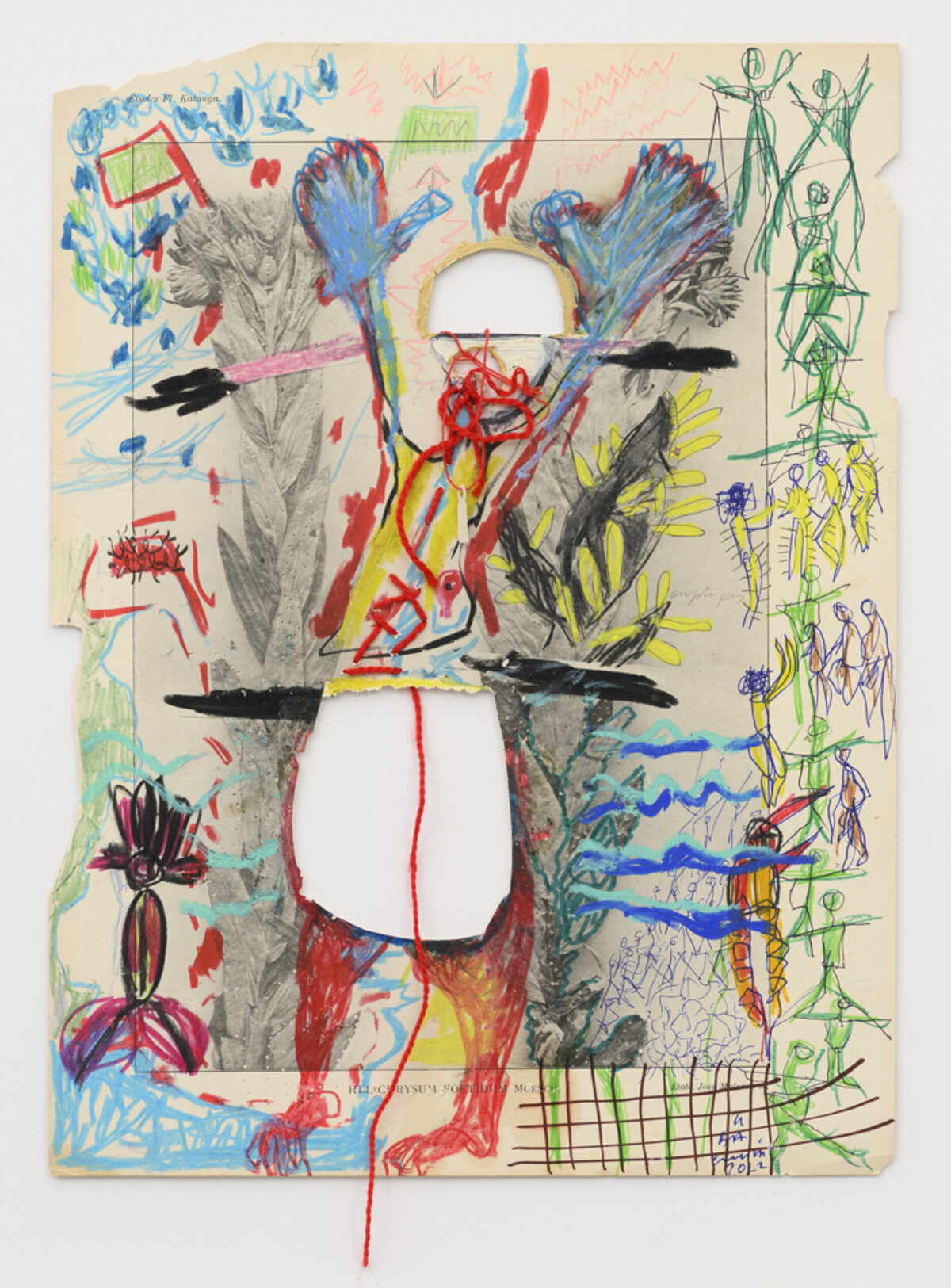
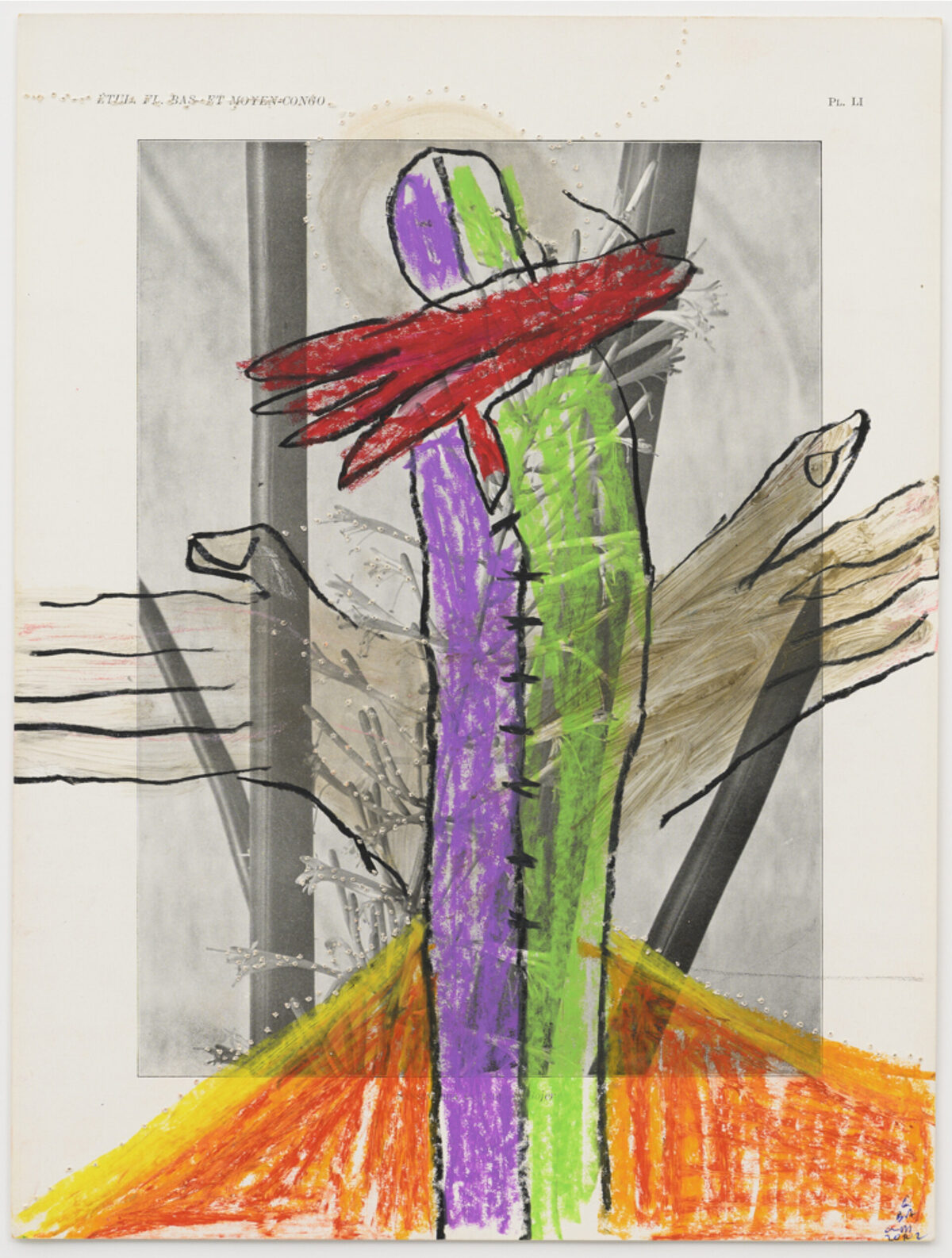
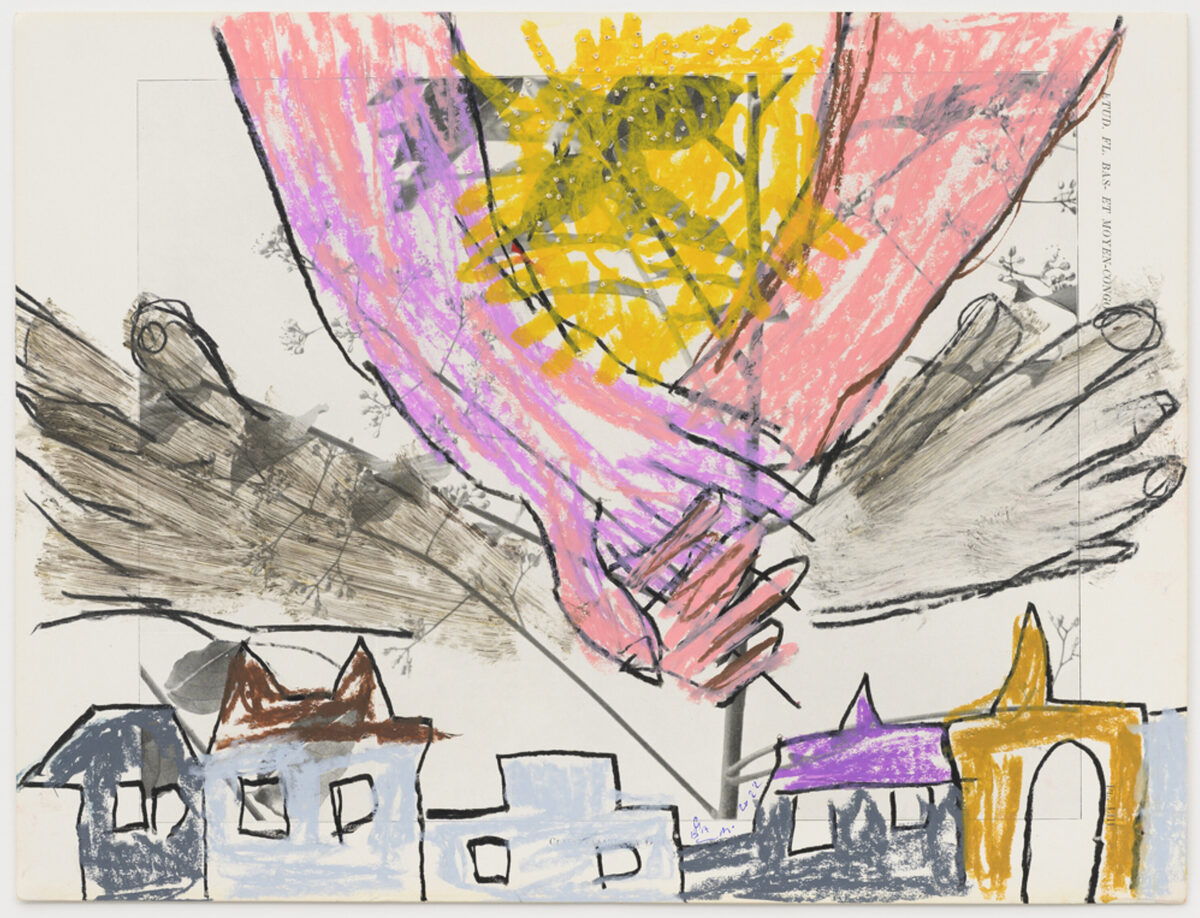
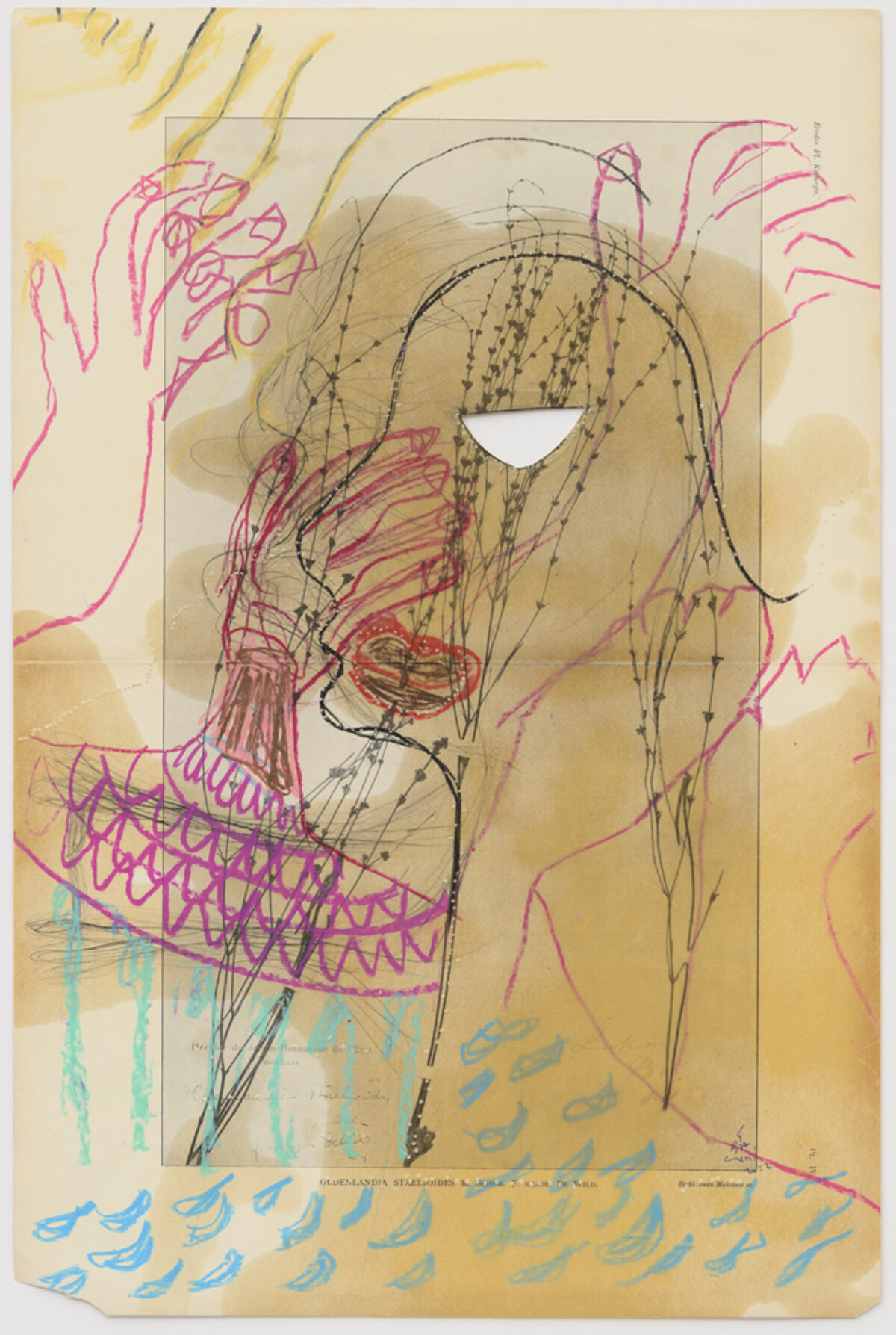
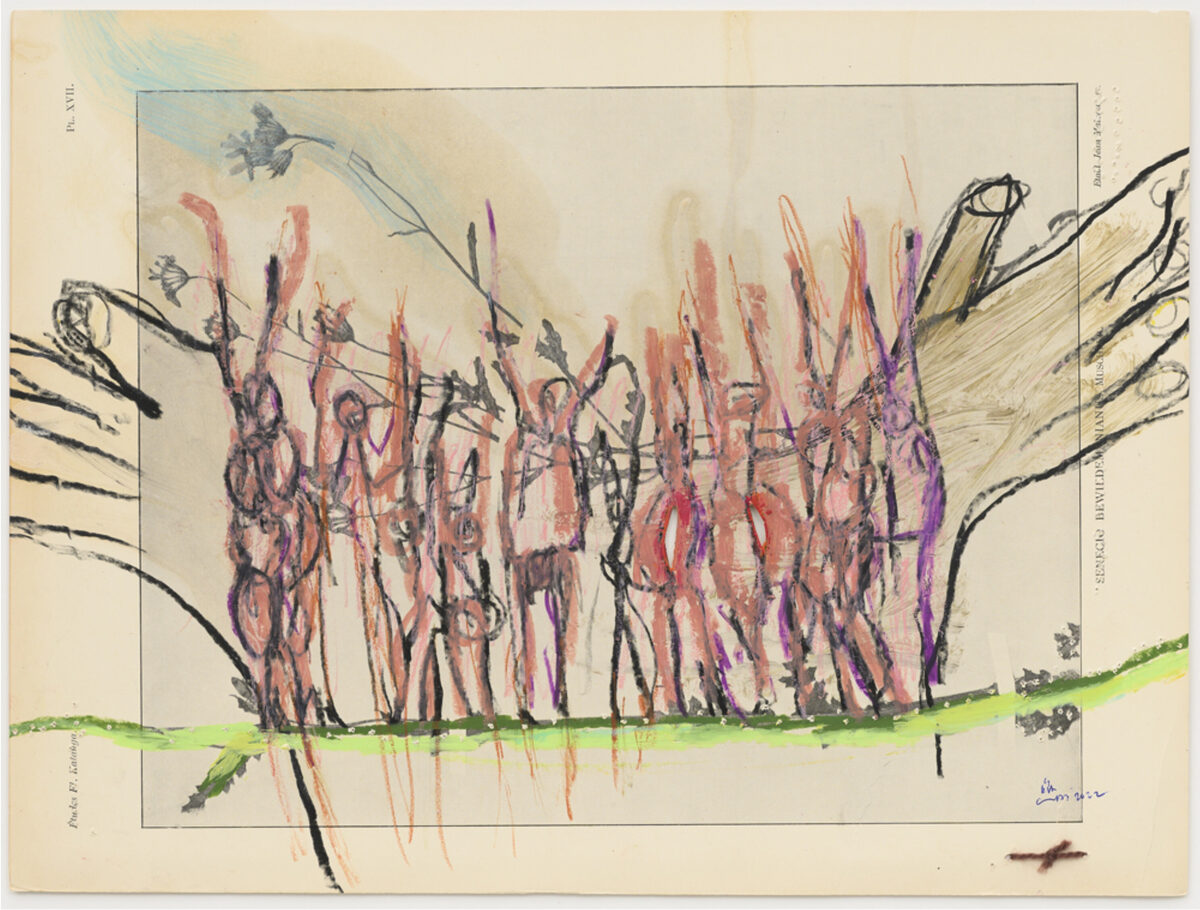
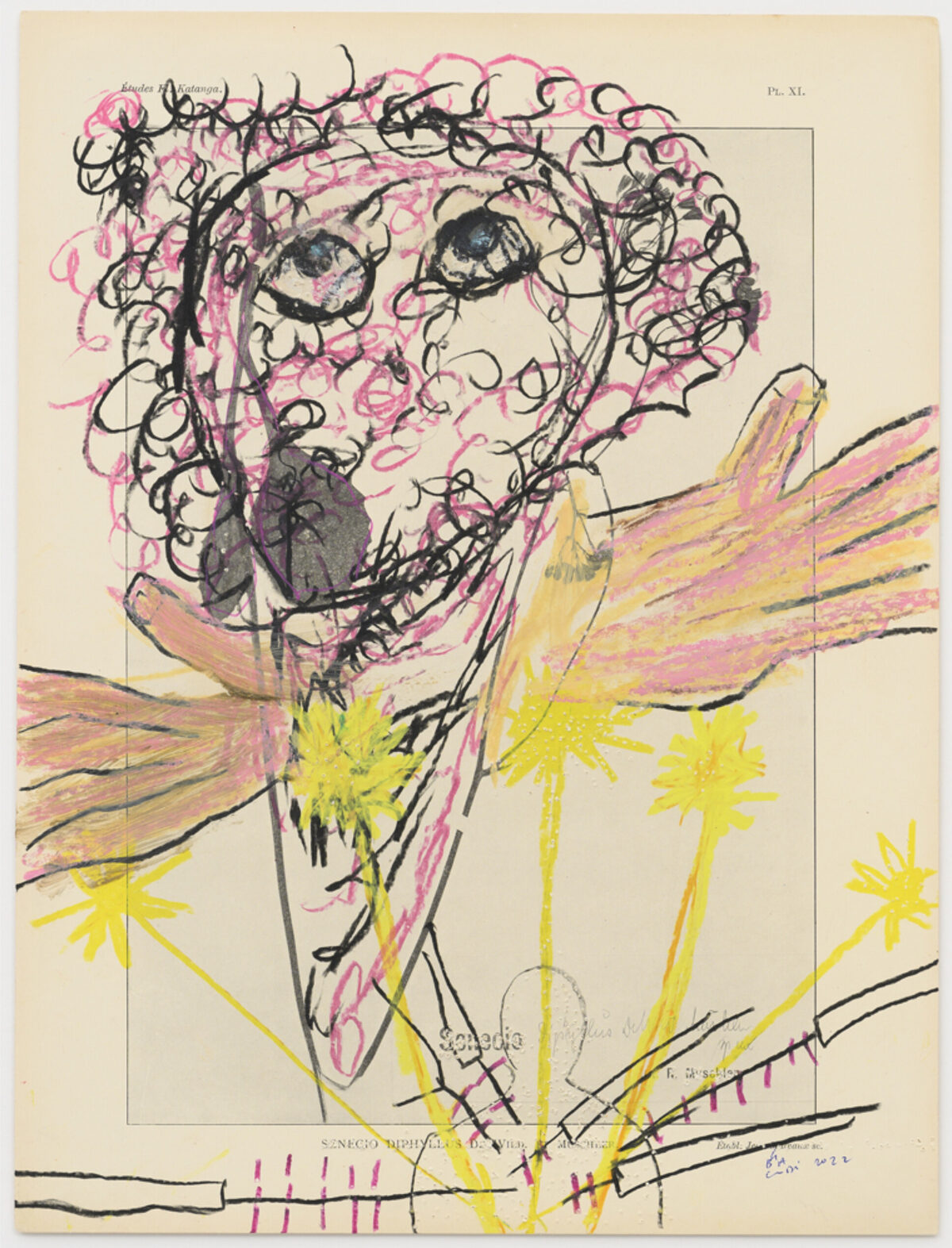
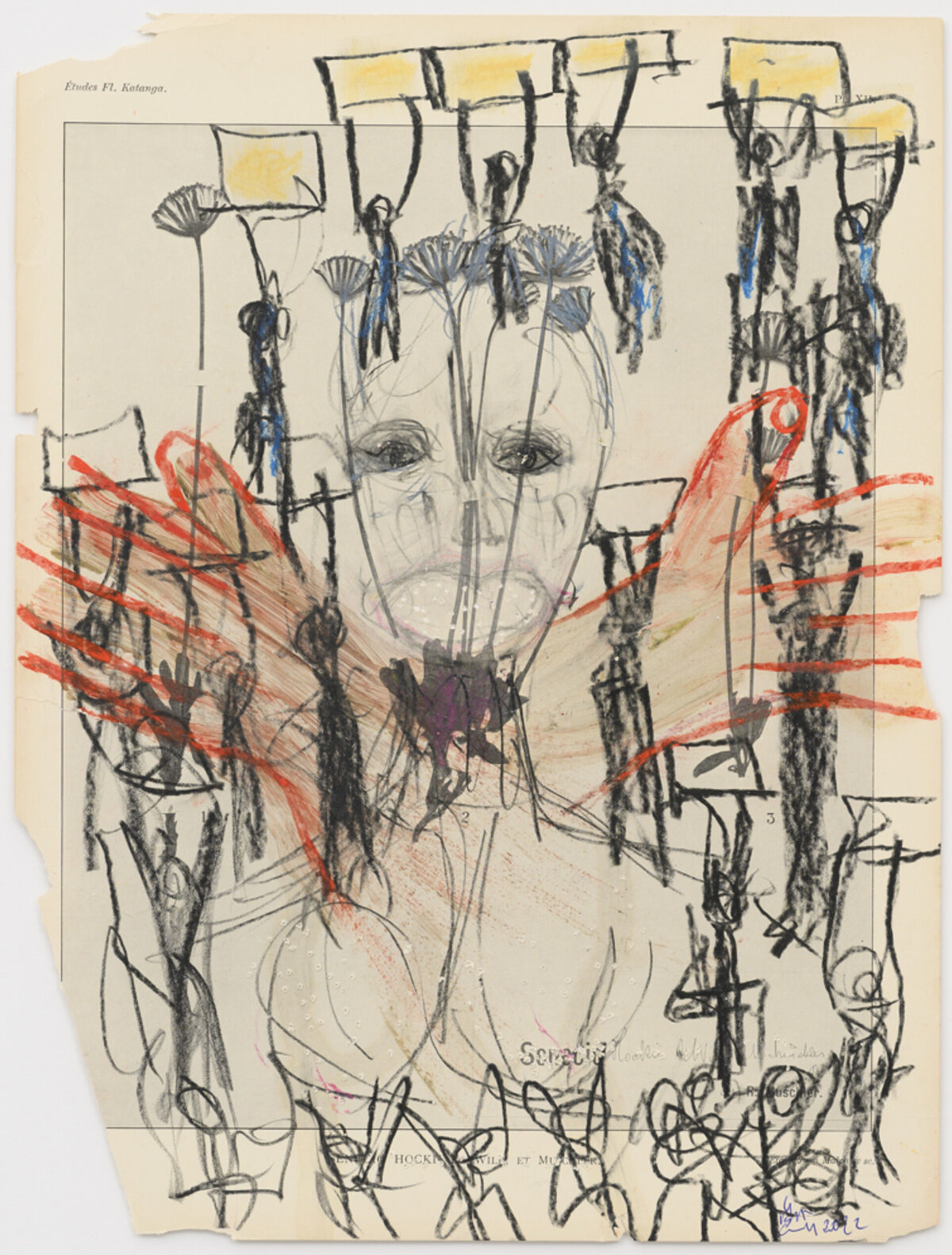
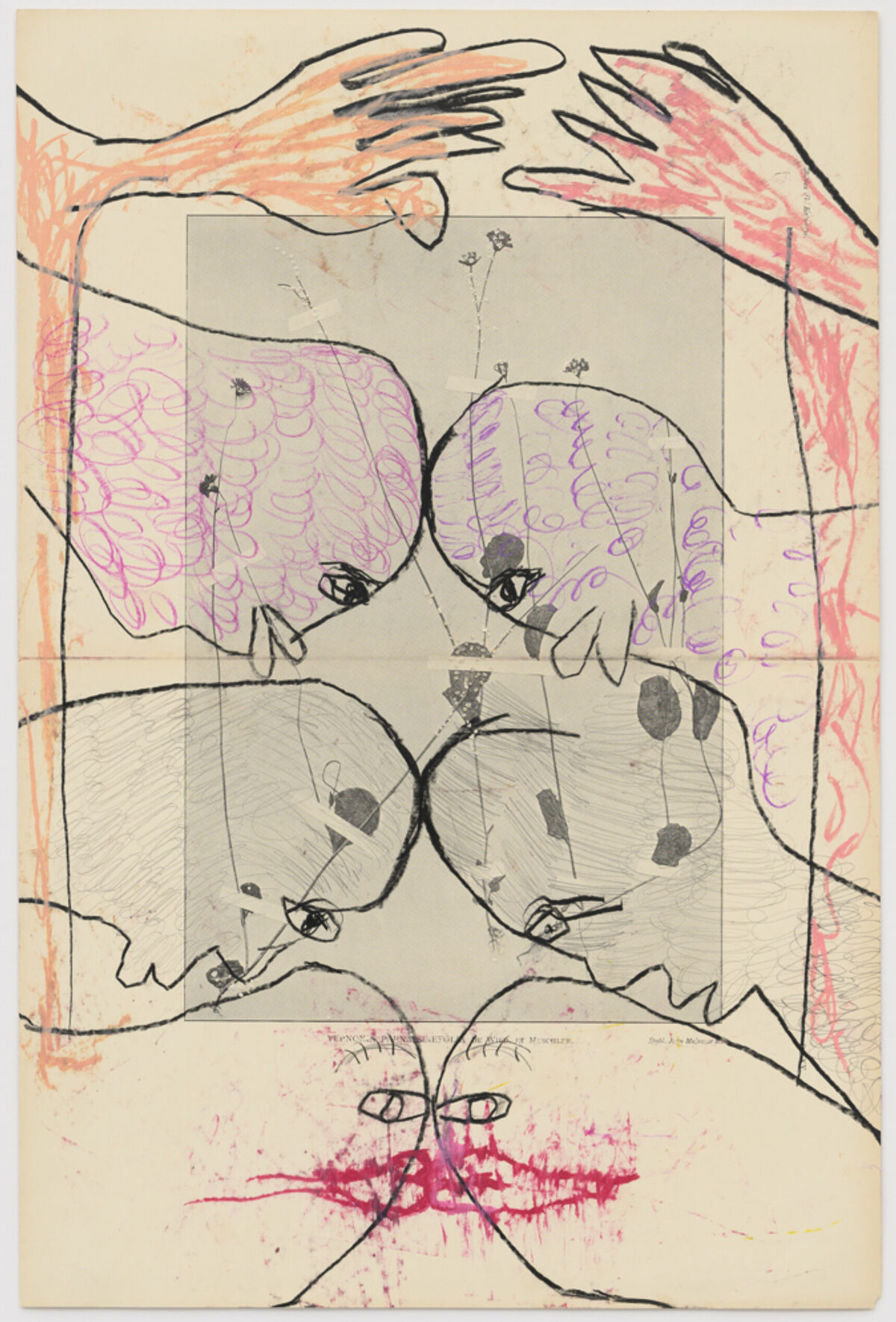
Gbaguidi understands her role as an artist in terms of the “griot” or “griotte.” In parts of West Africa the griot is a singer, poet or instrumentalist who, as storyteller, teacher or entertainer, passes on the history of a people or culture through epic texts. They are central to the oral transmission of traditional knowledge and are closest to medieval troubadours. Drawing is Gbaguidi’s central medium. She creates large wall drawings, as recently in the Etel Adnan–inspired exhibition Écrire, c’est dessiner (Writing is drawing) at the Centre Pompidou–Metz, as well as small-format series and sketchbooks. In her practice, drawing is often part of social projects and collective activities. She also draws in archives, where she encounters documents of unwritten history and responds to them. She invents dense narratives in which drawing, ritual, song and automatic writing come together. She connects collective memory with personal stories and current events.
Source: Kunstmuseum Basel | Dr. Anita Haldemann
Image: B. Borgers